
 Juno Rylee Schultz
“I’m never gonna know you know. But I’m gonna love you anyhow.”
GIRL MUSIC is independent music journalism for anyone that loves pretty art and music.
»Consider buying me breakfast or coffee on Ko-Fi/PayPal, or leaving me a small tip on Venmo.
« Contact me at juno.rylee.schultz@gmail.com if you need someone with experience in mock reviews, copy editing/writing, PR work, etc »
Words, research, and edits: Juno Rylee Schultz (she/her)
Research and edits: Kylie Tuinier (she/her)
Edits: Bex Stump (she/her) and Nathan Miller (he/him)
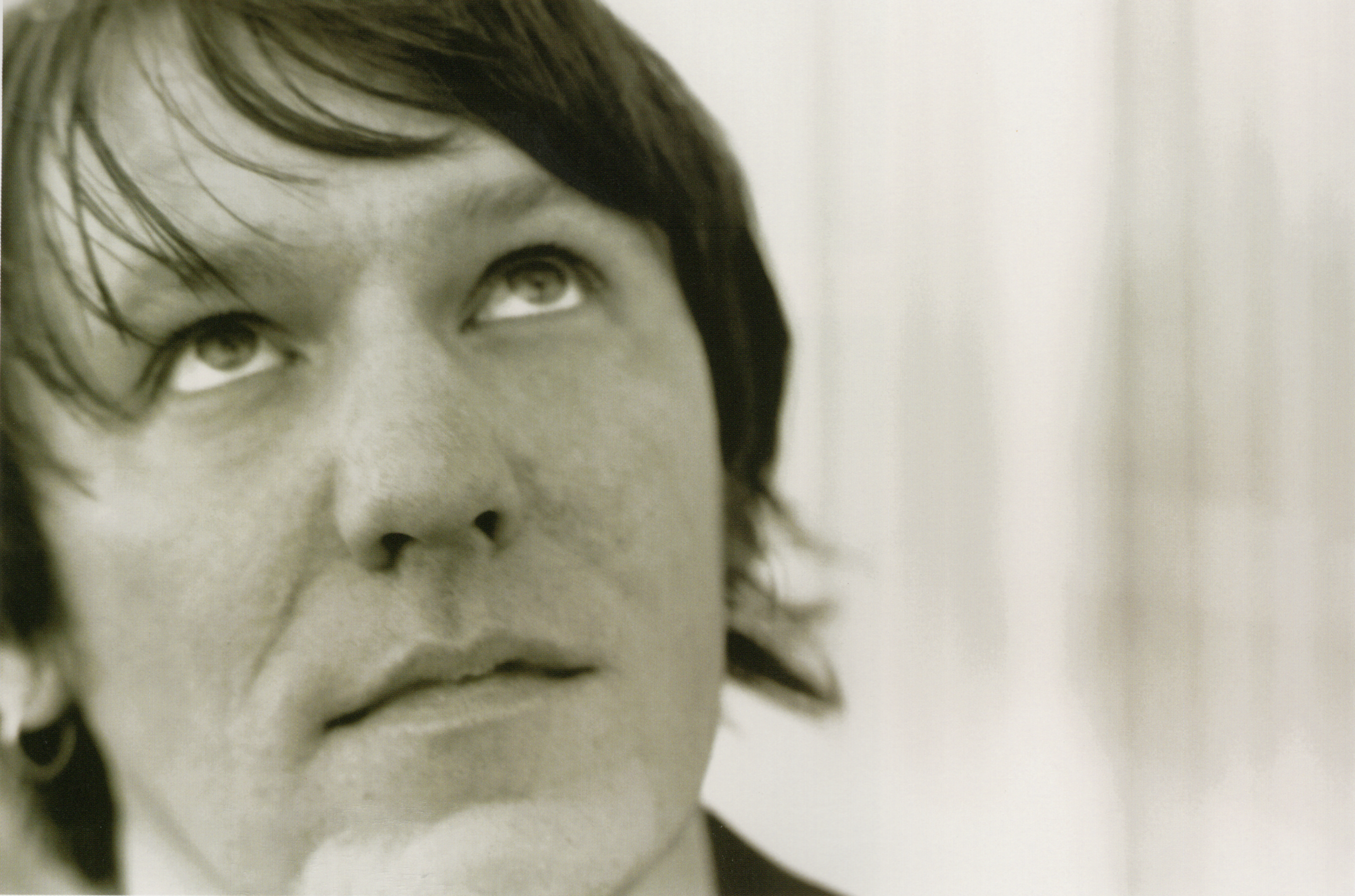
Elliot Smith was a confessional booth who moved through the textures of the human experience with insightful poetry and gripping instrumentals. He wrote songs about the beauty and pain within life, offering up hope and inspiration to all of those who listen, all collected from the pieces of reality he witnessed.
“When I first started to make up lyrics, they were bad high school poetry about, you know, complaining about all the emphasis on money and power, and how people don’t care about creativity, or all the guys on the bus in suits, and everybody’s got the same overcoat, and everybody looks the same. I had green hair, and I just couldn’t understand how everybody shopped in the same stores and worked in the bank. It just seemed totally boring.”
– Elliott Smith
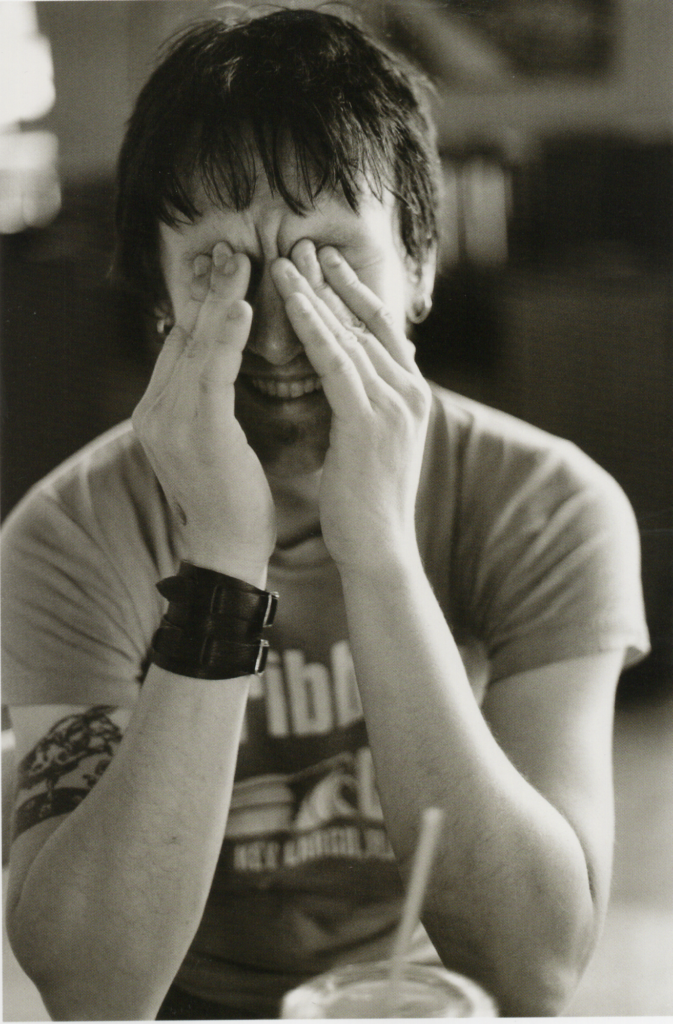
“I made up like, bad little songs with no words since I was like 12…you know…and went from there.”
– Elliott Smith
“Some beautiful songs try to make you think that, for a moment, there’s no crap in the world, but Elliott’s songs admit the world’s fucked up … He appeared really fragile, and he internalized everything. He would go on and on in his songs about how nothing was going to relieve his pain. But at the same time he was searching hard for something to relieve it.”
– Slim Moon
Elliott Smith was born Steven Paul Smith in Texas, but he would move to Portland as an adolescent in 1984. This would be where he would begin to fully carve out his identity; Elliott Smith, the punk musician who was always asking how reality came to be.
He played the piano as a child, and knew he wanted to be a songwriter, as soon as he first heard The White Album from the Beatles. Elliott would often get quiet, uncomfortable, and ask to change the subject whenever interviewers brought up his childhood. He liked to focus on his art, and his humanity. There’s integrity in honoring that posthumously and so that is where the focus will be: who he was as a person, and the beautiful things he created.
Smith spent some time in other bands, including most notably, Heatmeiser, but Elliott felt friction between the band’s sound and how it was impacting his other songwriting; he would still tour with Heatmeiser through 1996, but his focus was largely on his solo music.
Though his solo music would often feature a quieter sound than the heavier, post-punk scene Heatmeiser hailed from, Smith still carried the punk rock ethos that galvanized him as an artist and a poet.
“Elliott had a natural aptitude that was unique. He could hear music and make it come out of his fingers in a way that most guitar players can’t. He never stumbled. It was like there was a channel that went straight from his brain to his fingers, and that was immediately evident watching him play live. You only see that kind of skill level once in a while, so when you see it, you know it.”
Both Neil and Elliott were writing really good songs [in Heatmeiser], but I immediately recognized that Elliott was writing in a way that maybe… appealed to me more personally? Also, at that point I was already hearing some of Roman Candle. It’s just that I wasn’t hearing it in the same way. I was hearing it at home.”
– JJ GONSON, manager, Heatmiser; Elliot’s girlfriend
In 1993, Roman Candle, Elliott Smith’s first solo album, would be captured on a four-track cassette in the basement of the house Smith and Gonson were renting in Portland.
The lack of a “real” studio, and the safety and comfort of the damp basement gave Elliott the proper emotional privacy to record vocals and guitar of the music he was writing upstairs while goofing off with his girlfriend.
“He was the love of my life in a lot of ways. I’m enormously grateful to have had that emotional experience. I think that everybody should be that in love with somebody, even if it has to come to an end. The whole sound quality of Roman Candle is entirely based on the fact that he’s using a low-quality microphone right up against his fingers. He doesn’t even have an acoustic pickup—he’s playing an acoustic guitar into a microphone.
I had a copy of the finished cassette on me all the time and I was listening to it all the time. I had a lot of friends at Sub Pop and Matador and Cavity Search and all these record labels, and I was hanging out with them because I was promoting [Heatmiser], and I needed these labels to put their bands on tour with my band, but I didn’t burst into Cavity Search Records like, “You have to play this! It’s the best thing you’ve ever heard and you need to release it right now.”
I was probably just like, “I’ve got this solo cassette by Elliott.” “What? Elliott does solo stuff?” I put it on and their jaws dropped. They released it without changing a thing. That’s Roman Candle.”
– JJ GONSON, manager, Heatmiser; Elliot’s girlfriend
“I didn’t know Elliott at all, but we were both playing on this small tour of solo artists going down the West Coast. The first night was in Seattle, and I missed Elliott’s set. The second night was at the Bottom of the Hill in San Francisco, and I was blown away by Elliott’s set. So I went out to the car to listen to [Roman Candle] rather than staying for the rest of the show.” I was just flabbergasted. It was so incredibly good. And really, really different from anything anybody else was doing.
It was soft and gritty at the same time—a really rare combination. It impressed me that it was all done on a four-track, too, because the cheaper the production is, the less you can hide your flaws”
– SLIM MOON, founder, Kill Rock Stars
Labeling yourself as a Singer-songwriter music was seen as tacky at this time, especially in the punk rock community, making Elliott Smith a harder sell to many, but he still managed to amass a steady following within the Portland punk scene.
“It was embarrassing to be doing acoustic music. Nobody did it. Everybody was rough. There was no pop going on at that time.
Elliott and I used to play Peter Paul & Mary, Beatles, and Captain and Tennille covers together in the bedroom with the door closed, hoping nobody could hear us.”
– JJ GONSON
For Elliott’s next album, he would double-down on the acoustic guitars and lo-fi nature of the music. He also signed with Slim Moon’s Kill Rock Stars label, giving him wider distribution than he had with his prior label, Cavity Search. Elliott originally expressed interest in signing with K Records, with Moon trying to help by sending Elliott’s music over to Calvin Johnson at K Records; however when it became clear K Records wasn’t interested in reciprocating Smith’s interest, Moon expressed interest in signing Elliott with his Kill Rock Stars label.
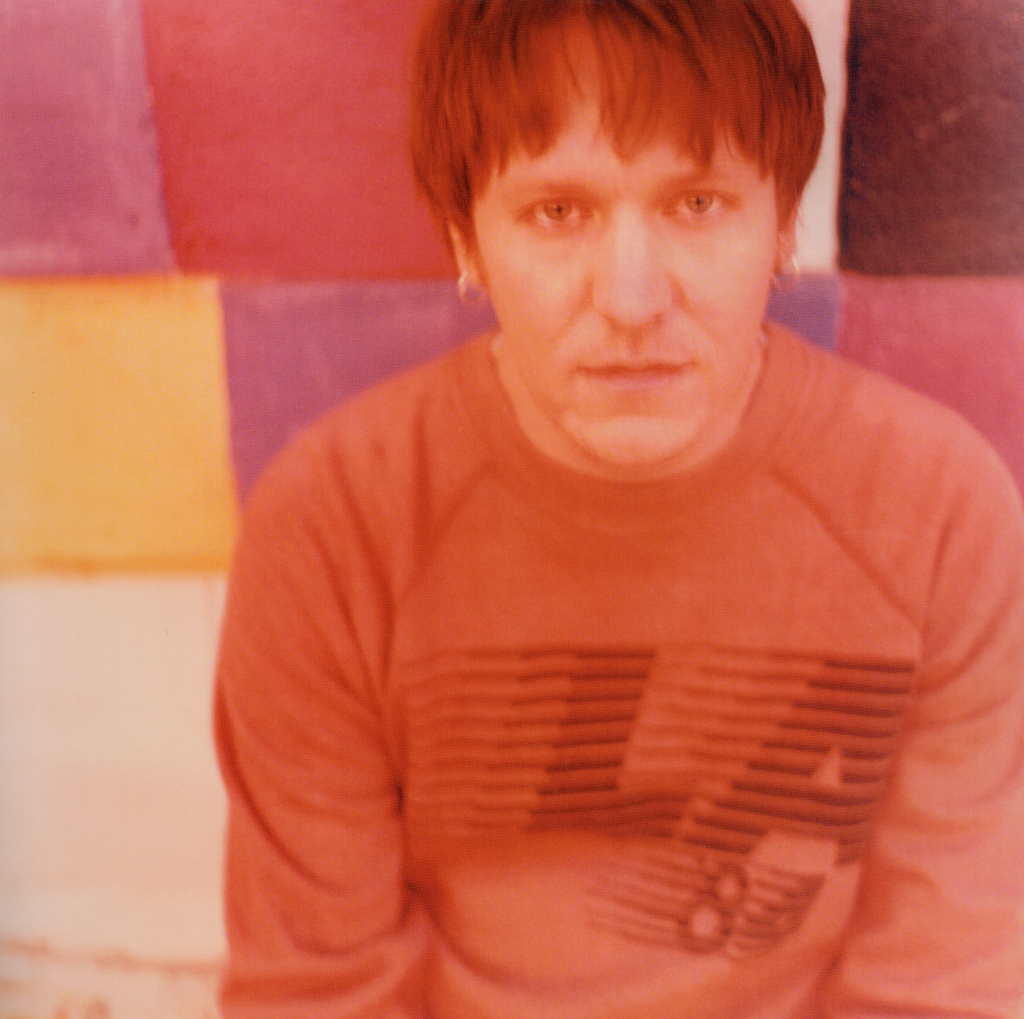
“We never did multi-record deals at Kill Rock Stars back then. We would just do one album, see how it went, and then discuss it again. Before we put out Elliott Smith, I looked at Soundscan, and it showed that half of the sales of Roman Candle had been in Portland, and he was basically unknown everywhere else. I figured that if anyone could be wildly popular in one town, then that could be replicated everywhere, all you have to do is get the word out. But Elliott Smith really didn’t sell that well.
Part of that was context: At Kill Rock Stars, everything that we had put out to that point was either a sort-of-loud, guitar-based, technically-interesting indie rock band like Unwound or godheadSilo or Universal Order of Armageddon, or it was associated with the Riot Grrrl scene, like Bikini Kill, Bratmobile, and Huggy Bear. And Elliott was really different. So when we sent this acoustic solo singer-songwriter record out to press and college radio, they just went, “Oh, I don’t get what this is supposed to be.” Reviewers wouldn’t review it. It just got ignored. I don’t think they listened to it and passed on it, I think it just sat on their desk.
And the other thing was this strong anti-singer-songwriter bias in the early 90s—because indie rock was still coming out of the punk tradition, it was anti-a lot of the things the 70s had been known for, including heartfelt singer-songwriters. So anybody with an acoustic guitar singing under their own name was instantly going to be compared to James Taylor, no matter what they sounded like. People just rolled their eyes, straight off. So it was bold of Elliott to perform under his own name.”
– SLIM MOON, founder, Kill Rock Stars
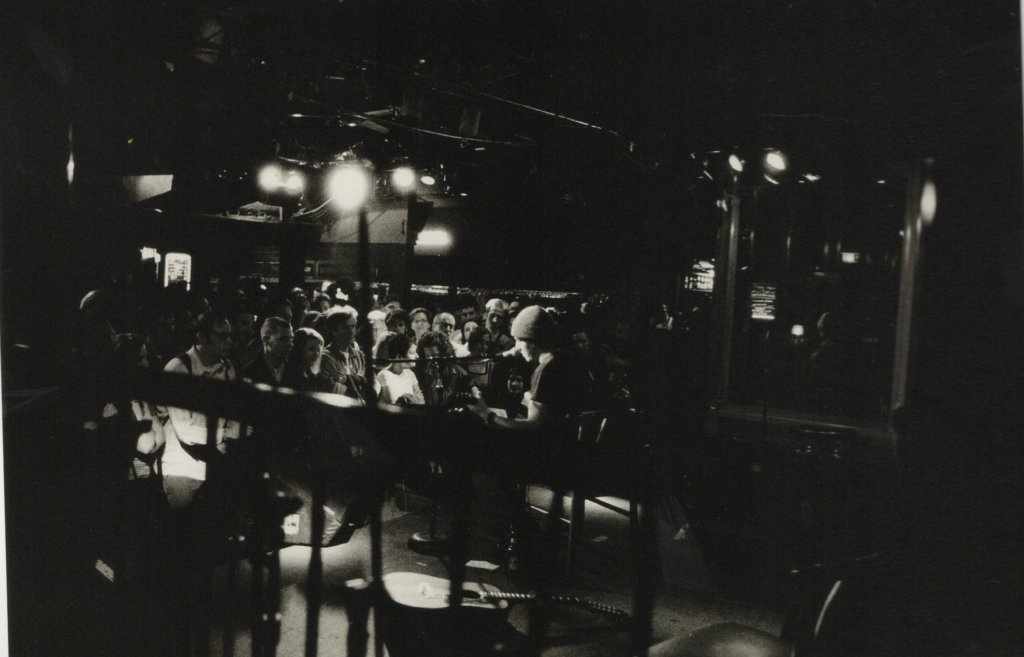
Elliott’s first solo tour was difficult due to Smith experiencing a lot of anxiety performing alone, without a band and other people to lean back on. He suffered from a lot of stomach issues during this time and needed a lot of encouragement from those around him. And it kept getting better too, with his audience organically growing from each show.
The other artists on tour with Elliott Smith gave him a lot of affirmation and confidence, through their shared camaraderie, as well as the goofy atmosphere they cultivated together on tour. Artists understood Elliott immediately, urging their fans and the public to listen to the intensity and beauty in Elliott’s voice.
Singer and songwriter Mary Lou Lord was one of the artists who toured with Elliott Smith. The two were able to bond a lot together over both being signed to Kill Rock Stars, their punk ethos and roots, as well as their folk-punk playing and style.
The first thing I noticed was that his guitar was really crappy; I think it might have been the Le Domino he recorded Roman Candle on. I realized he was making that crappy guitar sound really good. By the third song, I had completely lost myself. I was sucked in. I immediately invited him on tour. And he mumbled, in his way, “OK, Mary Lou.”
– MARY LOU LORD, songwriter; toured with Smith
“He opened solo for Sebadoh in ‘96, and it was at a time when no one really knew about him. We were at our peak at that point, and people just talked right through his set. It would make me really angry. I’d be like, “What the hell are you doing talking through his set? It’s Elliott Smith! He’s great!” I had that feeling like, “Someday you idiots will shut up and listen to him.” I remember telling him, “People won’t shut up, it’s making me so angry.” And he’s like, “I like it better this way. It makes me less self-conscious.”
– LOU BARLOW, frontman, Sebadoh
“We toured together in 1996. I would never really sit down and play, except for during soundcheck and shows, but when we showed up anywhere, Elliott would just start playing guitar, whether he was writing, or practicing, or just playing covers. It wasn’t like, “Here I am, check me out!” It was just to himself. He was someone who was always thinking about songwriting.
We were a pretty silly crew on tour. One time I was sitting shotgun in the van with my head in a book, and I heard all this snickering behind me. I turned around and [Elliott] had taken electric tape and made an Abe Lincoln beard on his face. And every time I kept turning around, more people had this electric tape facial hair.”
– REBECCA GATES, singer/guitarist, the Spinanes
Elliott’s next album, Either/Or would be recorded in a similar, laid back manner. Instead of living in the studio, tracks were typically laid down in three or hours, according to those around him at the time. Elliott was prepared, the songs were put together, and so was his performance.
“We recorded “Between the Bars”, “Angeles”, and “Say Yes” at [Schnapf and Rothrock’s Humboldt County, California, studio] the Shop. He would record one live take of vocal and guitar together, and then he would just double to it once we got it. It was just absurd. The guitar stuff isn’t even easy. It was ridiculous that he was able to just nail a vocal and guitar performance live, and he was able to double it live again. I mean, it’s not like he’s strumming G, C, D. There’s intricate little fills. It sounds so natural, and so simple—then you try to play it. And sing at the same time. He was just really good. Understated, but really good.
–ROB SCHNAPF, producer
As had been the case with Roman Candle, Elliott’s transmutational poetry lyrics were specific enough to be about whatever everyone who heard the music was also going through. Smith was singing about deeply personal things, sometimes through the perspective of someone else, in a way that everyone who heard him could relate too.
“The most available example of Elliott’s skill as a writer, and his way with metaphor, is probably “Between the Bars”. It works on three layers. It’s about love, at first, or it seems to be; you could look at it literally, being about going out for a night out at the bars; the imagery could easily be about prison; and, of course, it’s potentially about addiction. The clarity and continuity of thought is amazing—he can take a metaphor like that and sing about it for three minutes and never leave.”
– LUKE WOOD, DreamWorks A&R
Some songs recorded for Either/Or were even recorded outside of the studio, including inside closets and bedrooms of friends.
“Honestly, I don’t even know which songs for Either/Or he recorded at my house. [laughs] We had a room set up at my place, and he basically had a studio in it. Whenever he would come over, he would disappear into it for hours and hours, and we wouldn’t disturb him. There were a lot of times where it was like, you know, “Where’s Elliott?” And that’s what he’d be doing. It was constant. He did that wherever he was; it wasn’t just at my house.”
– MARY LOU LORD
While his solo music was flourishing, this is when Elliot began to fully distance himself from Heatmiser. It wasn’t an easy break but everyone around him also understood it was what he needed to do.
“That was around the time he was breaking away from Heatmiser. It’s too bad, he wasn’t actually aware that you could have a conversation with somebody and say, “Look, I want to do some music that isn’t Heatmiser, so I want to do this.” Instead, he would just shut down and not say anything. So it was all done in this very underhanded way. I don’t want to be disparaging of him, but this is just unfortunately how he operated. And then when we split up, I kept trying to juggle his solo career with the band, but I didn’t have any communication at that point because he wouldn’t let me talk to his manager [Margaret Mittleman]. Or he wouldn’t let her talk to me. Or something. And the fact that he and I had broken up and were tearing each other into tiny little pieces emotionally—or at least he was tearing me, I can’t speak for him—didn’t help.
The way I looked at it: I managed Heatmiser. It was my place as their manager to make sure that they had shows to make money, and that things were scheduled properly, and that the relationship went well with all of our representatives, our label, our booking agent. As he did more and more solo shows, he disconnected from me and from the band. And I know that there were times where Elliott had songs that he wasn’t taking to the band because I lived with him. It was hard for me as their manager because I knew there was something destructive going on, and I made a decision to support him as a musician and respect his wish that I didn’t share this information. But I also knew that the band was done, because he wasn’t willing to communicate. I couldn’t make a rational decision about how best to manage that situation, so I just tried my best to keep things moving forward and get the bills and taxes paid.
Tony [Lash] and I were like: “We just have to keep it friendly, keep moving, get this record done.” Because they had signed a contract with Virgin Records and they had obligations to fulfill. They were supposed to be supporting a record, so they booked a tour, and then Elliott bailed, as I recall. We’re like, “What?!” This was after he and I had broken up, and he said, “I am prioritizing my solo career over the band.” It was pretty shocking to everyone, because the band had worked really hard for a number of years. It could have been both.
– JJ GONSON
“It was almost mid-tour with Heatmiser when he really wanted to change up the sound of the band. This might’ve been the genesis of struggles between the two of us, because I was resistant to that, but it was mostly because, as a drummer, I liked playing rock stuff; playing quieter music wasn’t really my strong point back then, so I was hesitant.
He was immediately frustrated. During that whole time, I remember enjoying playing concerts less, but thinking the music was a lot better.
I didn’t pay a whole lot of attention to Either/Or, because he was recording and finishing it just as tensions were highest. I still haven’t really listened to that album. We went down to California to shoot a video for “Plainclothes Man” and I drove around with him and he played it for me. I thought it was good, but there was just a lot of tension at that point.
–TONY LASH
The release and tour for Either/Or was a positive time in Elliott’s life. He had warm interactions with fans, and his popularity growing wasn’t overwhelming for him at this point. He was completely in control, of his direction and of whatever crowd he performed for.
“When he opened for Mark Eitzel from American Music Club at Brownies in New York in ‘97. He finally got the room to be quiet. That was the big challenge; there was this core audience that would sit up front and be quiet, but at the bar people would be talking and the cash register would be going.
There was a Troubadour show where people asked the bar not to ring up anything on the cash register during his set. You could hear a pin drop. That was the first time I remember the vibe being different. People weren’t just there to see this next big thing. It was, “I need to see this guy.”
– MARGARET MITTLEMAN
“One of the side effects of his popularity as a solo artist, which also was a side effect of Heatmiser breaking up, was that Virgin [Records] no longer had this attitude like: “It’s fine if he does this little solo thing on the side because it’s not very important.”
Now that they thought of his solo career as valuable, he was really unhappy with Virgin, so he wanted to leave and go elsewhere. My own perception was that although it kind of sucks to be stuck in a contract you signed a long time ago, when you’re having success, it gives you some leverage. I felt like it was a good problem to have; he may have just felt like it was a problem.”
— SLIM MOON
By the end of 1997, DreamWorks had paid off Virgin Records, who was laying claim to Elliott’s music due to his contract under the label with Heatmiser.
DreamWorks was really happy with Elliott Smith, and his music, believing they had captured a unique and one-of-a-kind artist.
“It was pretty much predetermined that he was gonna move from Heatmiser, but there was still the Virgin/Capitol part, and Elliott had to sort of do that himself. He had a contractual obligation there, both as Heatmiser and as a solo artist. I had a meeting with Margaret and the President of Capitol Records, Gary Gersh, who was very cool. He didn’t want to force somebody to stay with him. He knew how great Elliott was, and did what he could to keep him, but he didn’t want to do it over a gun.
Later on, Margaret, Elliott, and I met for lunch. The first 40 minutes of that meeting were really rough because he’s so shy and doesn’t say much. He had an orchestration book under his arm and I actually pointed to it said, “What do you have there?” That opened the conversation and then it was a good solid hour of talking about music and some of the artists that I had been associated with that really affected him. He was saying, “I’m gonna start thinking about using an orchestra on my record.” He was testing my response, I think. So I went into my Randy Newman and Van Dyke Parks speech about how interesting it is when you orchestrate and go beyond just rock, and I think that pushed some of his concerns aside. I mentioned the right artists, and he relaxed.”
—LENNY WARONKER, DreamWorks co-CEO
Elliott got to work immediately on the next album, X/O, his first album with DreamWorks. Those around Elliott said Smith appeared to feel confident on his own, and more free to experiment inside of his solo music.
“Maybe he kept things low-key in the beginning as a deliberate way to distinguish his solo material from Heatmiser. I can only speculate, but it seemed like that to me. So, freed from the constraints of Heatmiser, he could incorporate whatever he wanted into his songs.”
– TONY LASH
“He never felt intimidated musically and he was quite open about things in the studio. We didn’t stop by often, but when I was there, if I had a thought—even if it was bad—he would listen. It was almost like he was taking notes. I made some reference to the Beach Boys at one point, suggesting the possibility of adding an odd instrument, maybe a woodwind, and rather than either file it away or just go “no,” he was intrigued by it.
The harmonies and the vocal parts were so much more predominant on XO, and that gift, along with all the other gifts that he had, was a surprise. It shouldn’t have been; you could tell from his earlier records that it was there, but not to that degree. He completely stepped up. I was so taken by what he was doing.
– LENNY WARONKER
Songs were finished quickly, but Elliott moved with intention and calculation throughout the process. He knew how he wanted songs to sound and worked until they were recorded properly, with an understanding of the studio.
“Speed was never the focus, but at the end of day one we had “Waltz #1” basically done. We came back the next day and added that big old bass drum to it, and added strings to it after that, but the meat of the song—vocals, everything—was done. Songs would just come up. Maybe they weren’t necessarily written in the studio, but they’d be written while we’re making the record. It’s hard for me to say exactly what the deal is, but in this case there was a convergence of inspiration and it made something happen.
A lot of times, I think he had stuff kicking around for years. His dad had told me they were very similar in that way, because his dad was a painter. He was like, “I work on a painting and then I put it away for 10 years, and all of a sudden I know how to finish it.” So he carried bits around.
– ROB SCHNAPF
While X/O was being recorded, Elliott Smith and Gus Van Sant met; “Miss Misery” was technically an already in-progress song, but a few lyrics were changed by Elliott to contribute to the Good Will Hunting soundtrack. During the production of X/O, “Miss Misery” earned an Oscar nomination for Best Original Song, adding momentum to Elliott Smith’s growing success.
“I remember going into the studios and doing vocals and piano on “Miss Misery” pretty early in on XO, and all of a sudden he gets nominated for an Oscar and it just changes everything.
It became really hard for him because, for one, he’s playing everything, so he never has a break: Elliott plays drums, then plays bass, then plays guitar, then plays piano, then sings. And before that, he would have interviews from like 9 a.m. to 1 p.m. talking to people, international press, all over the place.”
–ROB SCHNAPF
I knew about Heatmiser, and I saw them one time at Pine Street [later changed to La Luna], which was the center of a lot of alternative bands during the 80s. But I didn’t really know too much about their music. Mostly I had these two CDs from my friend Steve Birch, who worked for a lot of bands because he was an artist and designed covers. He’d picked up a bunch of CDs for me from this store called Locals Only around 1994, and Roman Candle was in the pile.
Elliott’s music was something I just happened to put on at one point. It reminded me of Simon & Garfunkel. Although, before I met Elliott, someone said, “Don’t mention Simon & Garfunkel to him.”As I do with most films, I try and find some music that you could use throughout, not just a sampling of lots of different artists. And I thought it might be interesting to try that with Elliott. I told the editor, Pietro Scalia, who’s now one of the most expensive editors in Hollywood, to try his music and it just worked. As soon as we decided we really did want it for sure, the next step was to ask Elliott whether that was OK. My boyfriend worked with Joanna in a bar, so he got me the number and I just called him up.
–GUS VAN SANT, director, Good Will Hunting
Elliott’s growing success, and the inclusion of a song in a film, would also benefit Kill Rock Stars, the indie label that helped give Elliott his first label boost.
“Either/Or came out in February of ’97, and Good Will Hunting came out later that year. But I had put out a lot of expensive records all in one year, and had kind of overdone it, and we were a small operation. It was just three of us in an apartment, and I didn’t have any line of credit or anything.
I had gotten myself in a situation where I owed the manufacturer of the records a tremendous amount of money, and it was going to be four months before I started to see money trickling in from all of it. I had really screwed up.
So I was in my bedroom at the Las Vegas Hilton, of all places, at the National Association of Recording Merchandisers convention—I wasn’t there just gambling away the money that I didn’t have [laughs]—when Elliott’s publisher called me and said he’d been nominated for an Oscar. That saved our business.”
–SLIM MOON
Elliott initially said he wasn’t going to perform for the Oscar ceremony, believing it wasn’t his crowd, no one was there to see him (Titanic and Celine Dion were also up for Nominations as well), and he didn’t like that the short song was being shortened for time. He changed his mind when he was told someone would be performing his song.
Elliot arrived with unwashed hair and a shining white suit. He would later describe it as feeling like he was on the moon for a day. It was as if he was an astronaut landing somewhere unknown, dressed and ready for whatever lay ahead.
“He had a white suit, and it was kind of amazing. As soon as the curtains parted, I saw that the entire stage was decorated as the Titanic. I thought, “Oh, I see.” Hollywood was so excited that they had a movie that grossed a billion dollars and they were gonna show it. So Celine Dion had a full orchestra.
Elliott had a little bit of an orchestra, too, but it was all very tiny in comparison. They used a lot of fog for the show, presumably because it was the Titanic, and it made me very sick—three hours of that stuff blowing on you and you just get a severe hangover.”
– GUS VAN SANT
“The highlight of that event for Elliott was that Celine Dion made him feel comfortable, from backstage to onstage. It really was amazing. She made him really feel at home, like he was one of them.”
–MARGARET MITTLEMAN
Reviews were not kind about his performance, and he had no chance in winning, with Good Will Hunting and Smith up against Titanic and Celine Dion, but the performance was raw and honest, filled with pure emotion, even if Elliott did feel out of place. He was proud of the nomination, and that was all that mattered.
“The Oregonian wrote a really catty review of the Oscars saying they were boring, and that Elliott’s appearance was “grunge lite.” They were just making fun of the whole thing. But through all the sort of showbiz-y stuff associated with the Oscars, he was happy that it was the one thing that his mother could tell her friends her son had done. He was a singer, yes, but now he’d been nominated for an Academy Award. He was really happy.
We mostly went our separate ways after that. I went to a show at the El Rey and, I think because I was a movie guy, I was always looked at like, “What’s this guy doing here? Who the fuck does he think he is?” I didn’t find a comforting home in his music crowd.”
– GUS VAN SANT
The tour for X/O was filled with partying and even included some singing along to Elton John songs inside of fancy cars. As soon as it was finished, Elliott would immediately begin work on his next album, Figure 8.
Elliott would record Figure 8’s music in small, spread-out recording sessions, in order to make it easier on himself. He would choose Autumn as the director for the ‘Son of Sam’ music video. It was her first time doing a music video, but DreamWorks allowed Smith’s creative direction and decisions to flourish.
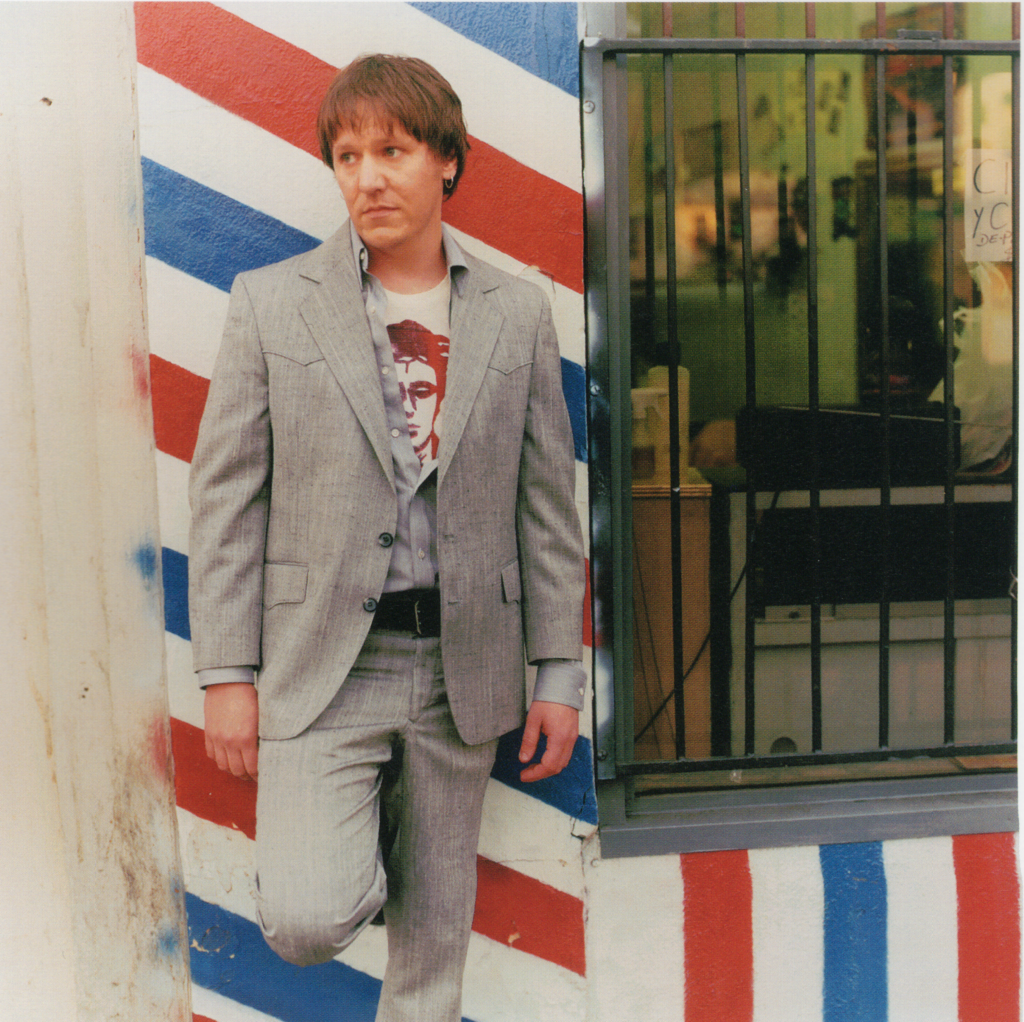
“Figure 8 was recorded all over the place, not all at once. XO got really hard to do because of him playing everything, so for *Figure 8 * I said, ‘When you have a batch of songs, let me go record them. We can do it in two-week spurts, that way it’s not this huge, epic burden on you.’ There was one batch where he did it all, another batch where Sam [Coomes] was more involved playing bass. Then we were in England at Abbey Road, and [drummer] Joey Waronker happened to be in town with R.E.M. and we cut a bunch of songs [with him].
I had never been to Abbey Road before then, and I haven’t been back since. On one hand, it’s just a studio. But then I’m moving the U47 [microphone] around and I’m like, “Wow, it’s got those pop filters just like in the Beatles book… oh, wait.” All the same shit is in there. The whole week we were there there was this upright piano that sounded so familiar when you played it. I bugged the assistant and he would never tell me anything, but finally he relented and was like, “Uh, ‘Penny Lane.’” And not only is it “Penny Lane”, it’s all those songs where you hear that tack piano—and not only Beatles stuff, like “Martha My Dear”. It’s also Odessey and Oracle and Pink Floyd and tons of others. When I got back home and started listening to records, I’m like, “There’s that piano again.” I have a picture of it on my refrigerator.As it developed, I noticed that Figure 8 was less literal but more impressionistic lyrically and also texturally. There were parts of it that were a little more ethereal.
For this record, I wanted to see what he would do with the Boomerang looper, which is a simple thing to make loops. I showed him how to use it and then all of a sudden I had all these little interlude pieces. So while Tom [Rothrock] and I were working on something that required Elliott, he’d be out making those loops, and we’d just use them as segues to get to different things. One turned into a song called “Dancing on the Highway”, which didn’t make the record. It’s a really cool song.”
– ROB SCHNAPF
“He requested me to direct the “Son of Sam” video. I was shocked and I think DreamWorks was pretty shocked, too. I hadn’t directed a video before. To their credit, they rolled with it. It was inspired by La Jetée and The Red Balloon. I would never try to get rid of the sadness that was connected to his songs, but there is so much more in them—so much great poetry that represented abstract and direct ways of explaining how you feel to someone. Not everything was a diary. Some of it was role-playing, becoming other people and singing from their point of view.
For Elliott and I, the best part of this video was how funny it was trying to get this balloon to behave. If it was windy we were fucked, you know? I later found out that The Red Balloon had this giant puppeteering crane. Luckily, we did a test day. Somewhere, there is a clip of Elliott slapping his arms in dismay and being overwhelmed by the balloon hitting him in the face for like the 70th time. It was on one of those giant stairways in Echo Park that I think was in a Laurel and Hardy film, and he’s at the top. He was just looking really pissed off, like he was gonna get in a fight with the balloon, and then laughing, and then angry again. The art director figured out you had to use fishing poles, and you can see it in one shot. At the end of the video, when the balloon dies, we all got really sad—and then we were laughing hysterically at how attached we had gotten to this badly behaved actor.
– AUTUMN DE WILDE
“I didn’t really dive into Figure 8 very deeply. I could feel the emotional remove when I heard it, and I really didn’t like that. XO still seemed more emotionally engaged. I remember telling him that I thought “Waltz #1” was my favorite song on XO, and he was like, “Yeah, that’s the best one.” That was a nice little re-bonding moment. Then the sound of Figure 8 was like: “Here’s a bunch of really good chord changes and notes.” But it was missing that feeling of him directly engaging.”
– TONY LASH
It was during this time that Elliott’s health began to deteriorate from stress, paranoia, as well as increased drug use while coping.
“That was the period where things got unhealthy for him physically. He had someone on his crew that was a bad influence. Not someone in his band, but someone who was working for him, who was notorious for getting musicians drugs and doing them with them. It was around the same time that the relationship he’d had cut him off from people for a while. I mean, I knew what a lot of that record was written about, and by that point everything felt so over the top and overwhelming that it was a little bit hard for me to just sit back and enjoy the music. Elliott definitely channelled whatever was wrong in his life or upsetting to him into his music like tenfold.
– DORIEN GARRY
Elliott was in control and not using drugs excessively when he was around friends, however his interest in turning to drugs would begin to negatively impact his relationships. People around Elliott did what they could to help him, but it was difficult, and at times, impossible.
“He wasn’t doing any drugs or really drinking very much when we were together. A big part of what tore us apart was talking about wanting to do drugs. I was like, “I just can’t be around that.” He didn’t want me to tell him what not to do.”
– JJ GONSON
“There were a lot of people in Elliott’s life during different times. I’m a lucky one in the sense that our friendship managed to stretch across many different phases, whereas a lot of people sort of got cut off or just were not part of it anymore. I maintained a friendship with him until he died. I’m always a little bit torn about speaking publicly about him—losing a friend like that is one of the most difficult things that’s ever happened in my life. But if I don’t do it, you know… the people who are eager and willing to talk are usually not the right people.
Elliott wasn’t a typical alcoholic or drug addict in the sense that they try to keep it secret from people. He was very honest about what was going on. If there’s one thing Elliott was not, it’s a liar. It was hard. I don’t know which is worse: being deceived or having it just be all out in the open like that. It was very, very upsetting to know that somebody I cared about so much was doing something so stupid.
– DORIEN GARRY
“His behavior was becoming more erratic. He’s not the first person I’ve experienced this with, where drugs overtake the personality after a certain point. That’s when you see that there is nobody who is enough of an individual to be an individual on drugs—even the most original person on earth, which I think he was. Some people hold onto their friends when they’re sick like that, and some people systematically try to destroy their relationships in order to not drag them down with them. I don’t know how much credit I should give him, but I felt like he systematically destroyed his relationship with anyone he really respected and cared about. Whatever was left of him did not want us around while he was totally down there.
He wasn’t really hiding anything, either, in my opinion. So that meant you were either there to condone it or you were not there to condone it. And I was not there to condone it. The people who are there to condone it—and this was a very common event—are disposable to someone like that, and they become enablers because they’re there for what they need.”
–AUTUMN DE WILDE
There was talk amongst Elliott’s friends to try to help him get off DreamWorks, but his career was still taking off. Good things were still happening. Hollywood wanted more music from Elliott for films too, after seeing the success of his involvement in Good Will Hunting. It was a complicated situation. Everyone around Elliott just tried to do what they thought was best for him.
“We had tried once to have an intervention in Chicago, [circa the Either/Or tour]. Oh my god. He hated us. He never let me forget what I did to him. We’d be having a great conversation, and it would just come up again out of nowhere. It totally reminds me of the child in him, or my own kids, how they hold onto one memory of mom and dad fighting at dinner. He never let me forget how betrayed he felt. He did agree to go. I think he felt the love and the concern, but you just don’t do that to him. That’s what he was like: “I’m a different person. You could have dealt with it differently.”I visited him at the rehab place in Pasadena, maybe a month after. He finished up the leg of the tour to New York and then went. It was just weird. It felt like there was a difference between he and I.”
– MARGARET MITTLEMAN
“When it happened, he was all fucked up. I had already kind of told him I don’t approve: “You want to smoke crack or whatever, that’s your free will, great. I don’t want to be around it. That’s my decision.”
– ROB SCHNAPF
“[The Flaming Lips] did a few dates in Europe with Elliott around ’99, and we all got along really great. After that I got a call from him like, “Hey, would you be interested in being my manager?” I was like, “Of course, who wouldn’t? You’re a genius.” I didn’t really know what I was getting into. In our first conversation, he was like, “I want off DreamWorks.” He didn’t want to record for them anymore because he was convinced that they had people following him, that they were breaking into his house, those kinds of things. Which we all know wasn’t true. But I’d be like, “Well, Elliott, I’m not gonna say I don’t believe you, but why don’t we get one of those cameras that you can buy for like five bucks and you take pictures of any car or person that is following you.” And he said, “Well, the cars have blank license plates.” I never said, “I don’t believe you.” I tried to be pragmatic and realistic. He even said to me, “Well, it’s probably not really there.” When the Flaming Lips played a show in L.A. one time, I remember him calling me saying, “DreamWorks are at my house, because my Flaming Lips backstage pass was upside down on the floor.” I was like, “Maybe you just dropped it.” I was afraid to say those things, but I’d say it casually. And he was like, “No, I remember putting it on my desk.” He’d have a very elaborate reason as to why. It just wasn’t worth arguing with him.
Even though I didn’t think his reasons were sound, I thought I should still let the label know he’s uncomfortable being there and let them have a part of the decision as well. So I went and had a meeting with Lenny Waronker and Luke Wood. I said, “Look, I don’t think this is a good idea for Elliott to not be on DreamWorks, and I know you guys love him, but for whatever reason, he’s uncomfortable with this. What do you guys wanna do?” Lenny came up with a pretty elegant solution.
He was like, ‘Let’s not say he’s off the label, let’s just let him put this next record out wherever he wants to, as long as it’s not another major label.’ I thought that was very fair of them and I liked that they weren’t going to just drop him. It solved the dilemma of that moment. I mean, just think about me as the manager going into Lenny Waronker, this legendary, artist-friendly music-industry person I’ve looked up to my whole life, to go in and saying, ‘I don’t think we should be on DreamWorks’—a label that any band would want to be on. It was just funny. But to some degree, maybe that’s part of the reason why they agreed to it as well, because they’re artist-friendly. They know that it was something bigger than an artist being mad at his record label.”
– SCOTT BOOKER [manager, Flaming Lips; briefly managed Smith]:
During this time Elliott continued working on music, DreamWorks remained hands off, and Elliott’s mental health struggles, along with his paranoia, continued.
In 2001, Elliott would begin recording what would become his next album, From a Basement on the Hill, with Jon Brion. The recording sessions would crumble after Brion pressed Elliott about his excessive drug use and unhealthy behavior.
Elliott would choose to work with another producer after his relationship with Jon Brion dissipated. David McConnell would try to put together a more calm and private place to record.
“I could tell he was really itching to get into the studio and work with a new producer, someone who was gonna do things a little more experimentally. He wanted somebody who wasn’t so formulaic, who was willing to go down the path of discovery with him, and I guess he heard that maybe I would be that guy.When he showed up, it was around 2 a.m., and he was in two cars; his girlfriend [Valerie Deerin] was driving one car and he was driving the other car, and both cars were full of all of his belongings. I mean everything from his apartment. I was thinking he was gonna show up with a suitcase and a backpack and a couple of guitars, but it was like five guitars, a giant keyboard, amps, and then five suitcases of clothes. He had toys, books, you name it. And then he had medication, and various other things.
He also brought all his two-inch reels that he was working on at Jon’s house. So we drank a couple of beers and I gave him the tour of the place and everything, and then he goes, ‘OK, there’s a song on here that I recorded by myself at Jon’s place that I want to keep, that I really like. Why don’t you just mix this song for me and I’ll be back in the morning.’ Then he left. He was like, ‘I’ve got some errands to run right now, I’ve got some stuff I gotta do.’ Remember, this is 2 a.m.—well no, by now it’s 4 a.m., because we had talked about my philosophy on recording and producing for two hours.
So I put the reel on the machine and I started listening to the song, just by myself. And the first time I heard it, just pushing up the faders so I could hear the different instruments and his voice, I got the chills. It was one of the most haunting, beautiful songs I’d ever heard. It sounded nothing like the music I’d heard him do before. It sounded way more intricate, way more complex.It reminded me of Rachmaninoff, but with lyrics, with a story. Sitting in there alone, I almost had an out-of-body experience because I knew that I was about to work on one of the best things I’d ever worked on in my life. So I spent the next three or four hours mixing the song, which was called ‘True Love Is a Rose’. It’s a shame because that song never ended up on the album. He wanted it to be on the album, it was one of his favorites.So he finally got back, listened to my mix, loved it, and then he says, ‘Let’s start recording another song.’ At this point he probably hasn’t slept in two days.The next track we worked on was ‘Shooting Star’.
He told me he wanted it to have this psychedelic intensity, to take elements of Hendrix and the Stooges, but create something that couldn’t be compared to anybody else. We slowed down the reel, just slightly, so it would have a euphoric, heavy, psychedelic persona.’Shooting Star’ has three drum sets: We would do one drum take, and then we would double the drums, and then sometimes triple them. If you listen closely on headphones, you’ll hear the snare drums flailing, because there are three kits going on. He and I talked about that; I’d say ‘Hey, you know, this sounds great, are you comfortable with having the snares slightly out of time?’ And he was like, ‘Man, I love it.’
He wanted to embrace the human quality of this sound, that was very important for him.He wanted ‘Shooting Star’ to be the opening track then. ‘Coast To Coast’, the opener on the album that got released, was another one we worked on together. He recorded the drum tracks at Sunset Sounds studio with Steven [Drozd], from the Flaming Lips, and the poet Nelson Gary’s part at the end. He had two drummers playing live at the same time on that, he told me, and he stood in the middle of the room pointing at each drummer to do the changes, like he was doing his own version of conducting.”
– DAVID MCCONNELL [producer; From a Basement on the Hill]:
Elliott lived with McConnell for a few months, bringing all his own instruments and equipment with him. He was very focused on what would be his next album, From a Basement on a Hill.
“From that first night, he basically moved in and ended up living there with me for many months. And that’s when we did the bulk of the album. We’d be in my bedroom and he’d sit on the bed and play me songs really late at night. He played ‘King’s Crossing’ for me on his guitar one night, although that’s not a song we worked on together.He brought his guitars, but the funny thing about Elliott is he had five of the same guitar, the Gibson ES-330. I never understood it, exactly. I was like, ‘OK, that’s great, we can use those, but if you want this bigger guitar sound, I encourage you to check out the guitars that I have.’ On ‘Shooting Star’, he fell in love with this old 60s Telecaster I have.
Most of the really big guitars you hear on that album are that Telly because this guitar just spits at you.One of the things that was really fun and worked well was, if we would double a guitar track, we would purposefully de-tune the guitar. So for the first track, we would make it a little bit sharp, and then for the second, we would make it a little bit flat. If you played one by itself it was kind of upsetting, but when they came together, all of a sudden you’d start smiling.I think I developed an anxiety disorder working with Elliott. He’s one of the most complicated people I’ve ever known in my life. Every once in a while we’d get in an argument, and he’d leave, and we wouldn’t talk for a week. Then he’d call me and say, ‘This is stupid, let’s go get a beer and talk.’ That was how the pattern went. The next day he’d be back at my place.
But I loved him like a brother. I wasn’t about to turn my back on him.It got to the point when he really needed his own place to finish the record, so I helped him put together his New Monkey studio, and then continued to work with him there. That went on for months and months, and then we kind of lost track. That was basically the last year of his life.
– DAVID MCCONNELL
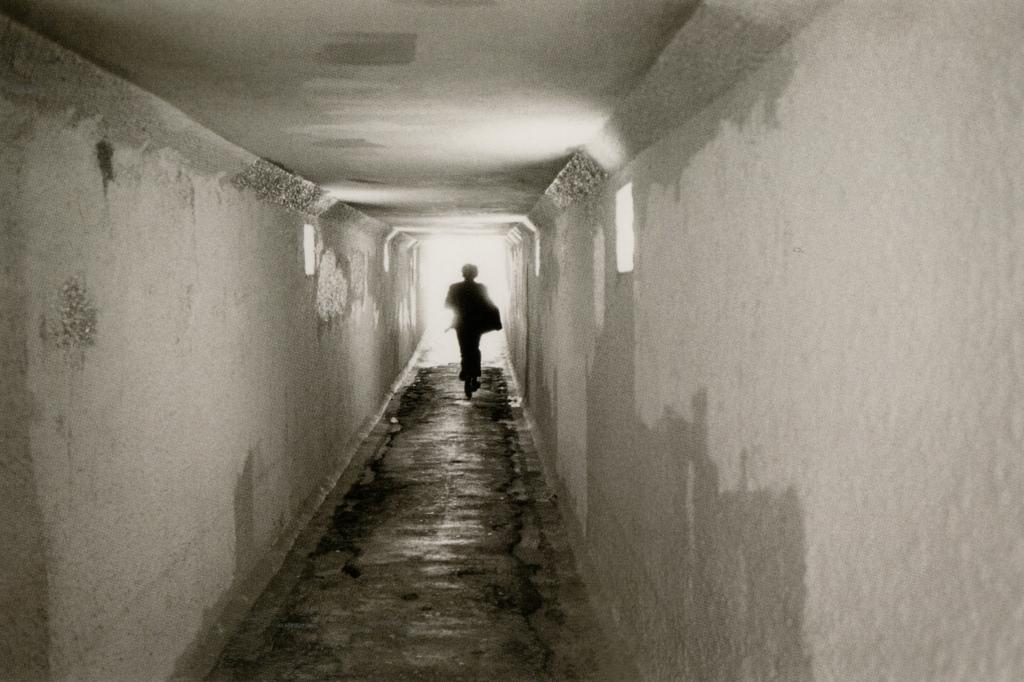
Elliott was incredibly busy during this process. Some say his drug use decreased during this time, but it was just in some situations. He was excited about everything he was making, and buying all kinds of instruments on eBay, to use for the creation of the album, but his relationships were still crumbling from his health and drug use. It was hard for people who loved and cared about him to be around him.
“I was seeing him more often around that period, too. He was talking about not doing as many drugs. He had been through a really bad period and the spark was kind of coming back. He was in this really bizarre period where he was dressing like Willie Nelson—he would wear these strange silk pants with embroidery down the side and long, flowing shirts. But then he started to look like Elliott again.
– LOU BARLOW
“As a photographer, I made a decision not to document that time period. That’s not the kind of artist I am. I don’t judge someone who does that at all, but that was not what I was there for. After that point, I was there as his friend until I wasn’t welcomed as his friend. I know he loved me a lot, and I loved him a lot, but it’s not the same person. Everybody who was a close friend basically had to say goodbye twice.”
– AUTUMN DE WILDE
“I talked to him on the phone around ’99, and he was a mess. I hadn’t spoken with him in a very long time, because I had to say, “I can’t be in touch with you anymore.” The last thing he said to me was, “I’ll write you a letter.” Which of course he didn’t do.He burned every bridge that he crossed. He didn’t just say, “Look, I need a break.” He took a machete, chopped you into tiny little pieces, poured battery acid on it, then added salt and set you on fire. He did this painful, painful ripping himself away from people thing to protect himself. He genuinely believed, I think, that he was doing the right thing for other people. He had convinced himself that the world was better off not having him in it, for other people.”
– JJ GONSON
Elliot Smith’s final studio album would be released almost a year after his tragic death, his poetry and music burning brightly, just as he did when he was here. Elliot was working hard at healing childhood trauma, while still pursuing his music. It’s really easy to have too many things weighing down on you as a person, and genuinely not realize it’s too much.
Elliott Smith sang songs about life, all sides of it; the beautiful, the cruelness, and the sound of the rain water underneath cars on the streets at night. Elliott painted pictures of life while he was here, and his music continues to show new generations all the vivid colors of the human soul and experience. He has millions of followers on Spotify, and his songs are regularly used as the music for videos on TikTok, and it always manages to fit the occasion. The timelessness of Elliott Smith.
If you or anyone you know is suicidal, there is help available. Please call or text 988, the suicide hotline, if you are in the United States. I was recently admitted into a psychiatric hospital for about a week and it genuinely saved my life and got me on the right medication, and forced me into a mental reset I needed.